
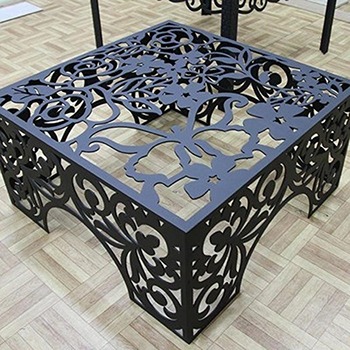
At GKH Engineering Solution manufacturing facility, every decision revolves around efficiency, precision, and value. One of the most transformative investments we’ve made is in laser cutting technology. Here’s a deep dive into why laser cutting outperforms traditional methods, supported by real-world examples and measurable results from our operations.
1. Material Utilization: Wasting Less, Producing More
Traditional cutting methods, like shearing or stamping, often generate 10–15% scrap on complex designs. For us, that adds up quickly when working with high-cost metals like stainless steel.
Laser cutting, however, allows us to nest shapes optimally and cut with 0.1 mm precision, drastically reducing waste.
Example:
-
Cutting 500 sheet metal parts for an automotive bracket:
-
Traditional method: 75 kg scrap
-
Laser cutting: 12 kg scrap
-
Material savings: 63 kg (~84%)
-
| Metric | Traditional Cutting | Laser Cutting | Improvement |
|---|---|---|---|
| Scrap per batch (kg) | 75 | 12 | 84% less |
| Nesting efficiency | 70% | 95% | +25% |
| Cost per sheet (USD) | 50 | 50 | N/A |
| Material cost per batch | 3,750 | 2,600 | $1,150 saved |
2. Labor Costs: Doing More With Less
Manual cutting methods require multiple operators for setup, monitoring, and quality checks. With laser cutting, one operator can supervise multiple machines, freeing our team to handle other tasks.
Example:
-
Production of custom HVAC panels (100 units):
-
Traditional cutting: 3 operators, 6 hours each → 18 man-hours
-
Laser cutting: 1 operator, 6 hours → 6 man-hours
-
Labor savings: 12 man-hours (~67%)
-
| Task | Traditional Method | Laser Cutting | Savings |
|---|---|---|---|
| Operators required | 3 | 1 | 66% |
| Hours per batch | 18 | 6 | 67% |
| Labor cost per batch | $540 | $180 | $360 |
3. Setup and Tooling: Rapid Adaptation
Traditional cutting often demands custom dies or blades for each shape. Laser cutting eliminates that entirely. For us, this means new designs can be produced without downtime or additional cost.
Example:
-
Prototyping a new electronic enclosure (50 units):
-
Traditional method: $400 for tooling + 4 hours setup
-
Laser cutting: $0 tooling + 30 min setup
-
Cost savings: $400 + 3.5 hours saved
-
| Metric | Traditional Cutting | Laser Cutting | Improvement |
|---|---|---|---|
| Tooling cost (USD) | 400 | 0 | 100% |
| Setup time (hours) | 4 | 0.5 | 87.5% |
| Production time per unit | 15 min | 12 min | 20% faster |
4. Precision and Quality: Minimizing Post-Processing
Laser cutting produces clean edges and smooth surfaces, reducing the need for secondary finishing.
Example:
-
Aluminum panels for a consumer electronics project (200 units):
-
Traditional cutting: 4 hours of sanding and deburring
-
Laser cutting: 0 hours needed
-
Post-processing cost saved: $120 in labor and consumables
-
| Metric | Traditional Cutting | Laser Cutting | Improvement |
|---|---|---|---|
| Post-processing required | 4 hours | 0 hours | 100% |
| Labor cost (USD) | 120 | 0 | $120 saved |
5. Production Volume and Flexibility
While traditional cutting remains cost-efficient for extremely large, simple batches, laser cutting excels for small to medium batches, prototypes, and custom designs.
Example:
-
Small-batch production of stainless steel brackets (150 units per month):
-
Traditional method: Not feasible without high tooling costs
-
Laser cutting: Quick production, no extra tooling
-
Outcome: Delivered on time, with 0 scrap and high customer satisfaction
-
| Batch Size | Traditional Cutting Feasible? | Laser Cutting Feasible? | Notes |
|---|---|---|---|
| 50 units | ❌ Expensive tooling | ✅ Fast, cost-effective | Perfect for prototyping |
| 150 units | ❌ High scrap & setup | ✅ Efficient | Rapid small-batch runs |
| 5,000 units | ✅ Economical | ✅ Still efficient | Long-term: Both viable |
6. Real Achievements We’ve Seen
By switching to laser cutting across our production lines over the past two years, we have achieved:
-
Material savings: ~$50,000 annually
-
Labor efficiency: ~35% reduction in man-hours per batch
-
Faster turnaround: Average production time reduced by 25%
-
Waste reduction: Scrap decreased by 70–80%
-
Customer satisfaction: Improved quality and on-time delivery for custom orders
Conclusion: Why We Invested in Laser Cutting
From our perspective, laser cutting is more than just a tool—it’s a strategic advantage:
-
We reduce material costs while improving yield.
-
We lower labor expenses through automation.
-
We save time and money on tooling and setup.
-
We eliminate post-processing in most cases, enhancing quality and speed.
-
We remain flexible, able to handle custom designs and small-to-medium batch sizes efficiently.
While traditional methods still have a place for mass production of simple parts, laser cutting gives us cost efficiency, speed, and quality—all while allowing us to innovate and stay ahead in a competitive market.